

























































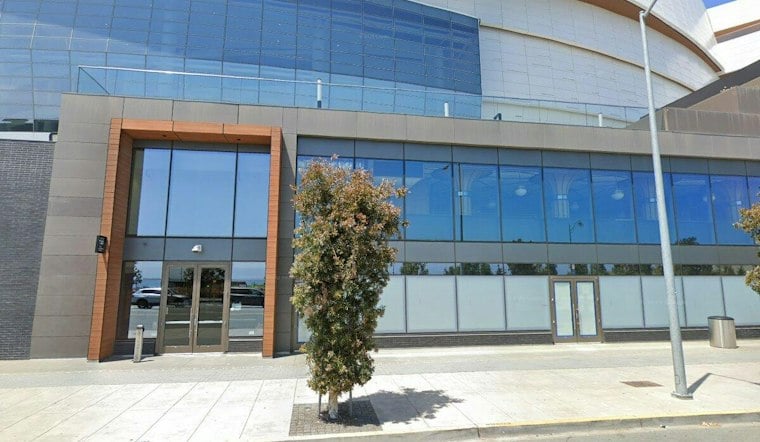
Phoebe Bridgers is asking San Francisco fans to do something most arena tours wouldn't dare: hand over their phones at the door. The Grammy-winning singer-songwriter brings The Lost Tour to Chase Center for two nights, Tuesday and Wednesday, Oct. 27-28, at 7:30 p.m., with every attendee required to lock their device inside a Yondr pouch before the show begins. Tickets start at $88.
The phone-free mandate isn't a one-off gimmick for the Bay Area stop — it's been the rule throughout the tour, as reported by the San Francisco Chronicle. Over the summer, Bridgers played intimate pop-up acoustic shows across New York, New Mexico, Texas and Alabama before bringing the phone-free policy to full arenas, according to the Chronicle. Those acoustic shows included stops in Roswell and Mobile.
A San Francisco Invention Comes Home
There's a full-circle element to Chase Center enforcing a Yondr lockdown: the pouch system itself was dreamed up in San Francisco. Yondr founder Graham Dugoni created the magnetic locking pouch in 2014 after attending the 2012 Treasure Island Music Festival, where he witnessed an intoxicated festivalgoer being filmed without consent, according to Wikipedia's entry on Dugoni. More than a decade later, the technology he built to restore privacy and presence at live events has become mainstream enough to anchor a Grammy winner's arena tour just miles from where the idea was born.
Yondr's reach now extends well beyond the Bay Area. By October 2025, the company reported its pouch system had been deployed at more than 10,000 events across 27 countries, securing over 20 million devices for artists including Dave Chappelle, Kevin Hart and Paul McCartney, per Yondr's own figures. Musician Jack White was an early pioneer of the arena-scale approach, using phone-free shows for an entire tour in 2018.
How the Lockdown Actually Works
Chase Center venue notices for the October shows specify that attendees must keep all phones and smartwatches sealed in Yondr pouches except inside designated Phone Use Areas, and that anyone caught using a recording device inside the performance bowl will be escorted out. Those designated zones let attendees check messages or handle emergencies without disrupting the show on the floor.
Fans worried about losing contact with a babysitter or missing an urgent call can take some comfort in how the pouches are engineered. The devices do not block cellular or Wi-Fi signals, meaning phones inside can still vibrate or light up so attendees know when to head to an unlocking station, according to SeatGeek.
From Punisher to a Grammy-Winning Arena Act
Bridgers released her third solo album, Lost Weekend, in August 2026, following up her acclaimed 2020 record Punisher, which included the tracks Kyoto, I Know the End and Moon Song, per the Chronicle's reporting. She also carries Grammy-winning work with the indie supergroup boygenius into this moment, and The Lost Tour — which kicked off Sept. 15 in Indianapolis — marks her first full-band solo tour since 2023.
San Francisco isn't unfamiliar territory for Bridgers. She performed at Outside Lands in Golden Gate Park in 2022, as well as at the Independent and Little Saint in Healdsburg that same year. Chase Center will host the two-night engagement.
The tour carries a charitable component as well: one dollar from every ticket sold on the North American leg of The Lost Tour is being donated to RAINN, per information shared by Chase Center for the October shows.
Part of a Broader Bay Area Shift
The Chase Center policy also lands amid a wider California push toward phone-free spaces. Governor Gavin Newsom signed Assembly Bill 3216, the Phone-Free School Act, in September 2024, requiring all public school districts statewide to adopt policies limiting or banning student smartphone use during school hours by July 1, 2026, according to the Office of Governor Gavin Newsom.
Bridgers' Chase Center stop follows sold-out phone-free dates in other cities this fall, including Philadelphia's Xfinity Mobile Arena and Detroit's arena stop. For Bay Area fans heading to Chase Center next week, the takeaway is simple: the phone stays zipped up, but the signal — and the chance to catch an emergency call — stays on.




