

























































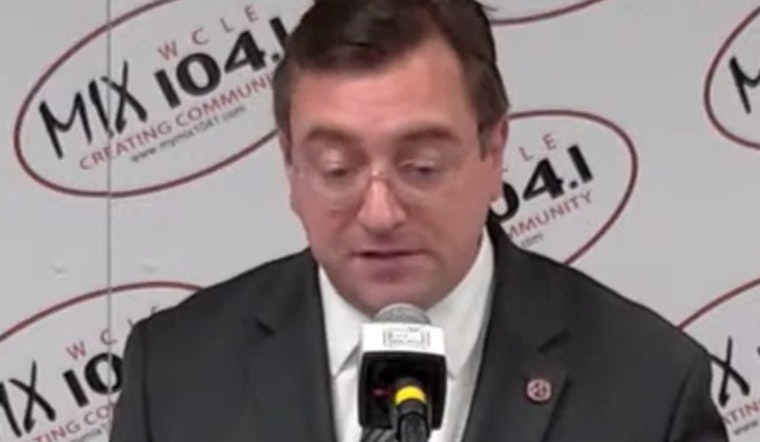
Tennessee's legal battle against the NCAA's restrictions on student-athletes' ability to profit from their own names brought in a significant ruling. Tennessee Attorney General Jonathan Skrmetti announced a settlement that, if approved by the court, would revolutionize college sports by lifting the NCAA’s ban on recruitment compensation related to athletes' name, image, and likeness (NIL).
"We fought hard to protect the rights of Tennessee’s student-athletes and this settlement locks in the victory for them," Skrmetti said, in an apparent push toward financial parity in collegiate athletics. Rising from college sports, a multi-billion-dollar entertainment industry, previously saw those athletes it depended on sidelined from its economic opportunity.
Key components of the settlement were outlined in the announcement. This includes empowering student-athletes to negotiate NIL compensation before committing to a school, allowing third parties to broker deals during recruiting, and ensuring schools can support athletes in securing NIL opportunities. The agreement is meant to terminate the NCAA's future attempts at circumventing these freedoms, promising to bring a new level of transparency and oversight over the next five years.
"I'm glad to see the NCAA give up on defending a world that no longer exists," Skrmetti added, projecting that this move would elevate the competitive integrity of college sports. The settlement emerged following a federal lawsuit filed by a coalition of states in 2024, which led to a federal judge blocking the NCAA's enforcement of its then-considered illegal rules.
The court's final approval of the settlement remains pending, but it stands as a pivotal moment in the agitation for student-athlete rights. The NCAA must now adapt to a landscape where these athletes can harness their market value, marking a significant shift in the governance of college athletics.



